
Brick Repair in Lantana, TX
Structural brick repair for cracked masonry, failing steel lintels, sagging archways, and movement-related damage.
Brick Fix Solutions specializes in residential masonry repairs that go beyond covering visible damage. We identify what is causing the failure, correct the support or movement condition when needed, and rebuild the masonry with close attention to brick matching, mortar, alignment, and the finished appearance.
Cracked brick gets replaced. Failed support gets corrected. Failed mortar gets removed and repointed. Movement joints are repaired with material designed to remain flexible.
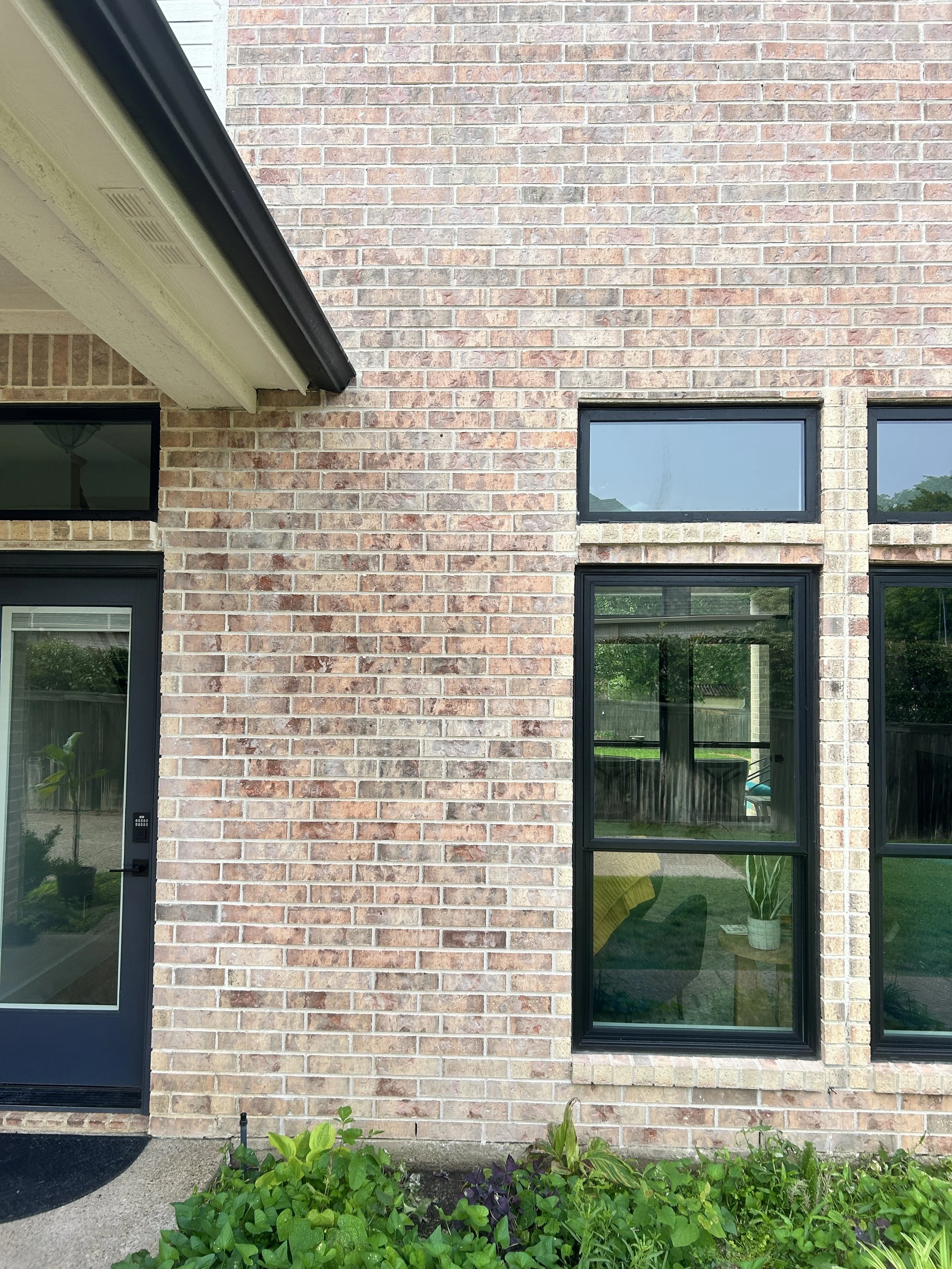
Brick Damage Should Be Repaired Based on What Actually Failed
A cracked brick, failed mortar joint, damaged steel lintel, sagging archway, and movement joint are not the same problem. The repair should be based on the condition of the masonry and what caused the damage — not simply on what the crack looks like from the outside.
Brick cracking often develops where stress is concentrated — above windows and doors, around large openings, near wall returns, through arches, or where the masonry does not have enough room to move.
Before rebuilding anything, we look at the location and direction of the cracking, the condition of the surrounding brick and mortar, the support above openings, steel bearing, nearby expansion joints, and whether sections of the wall have begun to separate or drop.
From there, the repair can be built around the actual condition. That may mean replacing cracked brick, grinding out and repointing failed mortar, correcting structural steel, rebuilding a brick archway, or creating or restoring a movement joint.
A visible crack tells us where the masonry released stress. The important part is determining why it happened before the damaged brickwork is put back together.
Cracked Brick
A fractured brick is cut out and replaced with the closest available match. Mortar is then rebuilt around the replacement brick to match the surrounding joints.
Failed Mortar
Deteriorated mortar is ground out, the joint is cleaned, and fresh mortar is installed and tooled to match the existing masonry.
Failing Steel Lintel
The masonry is supported as needed while failed or inadequate steel is corrected before the brickwork above the opening is reconstructed.
Cracked or Sagging Archway
Damaged masonry is dismantled as necessary, the support condition is corrected, and the arch is reconstructed around proper structural support.
Expansion & Movement Problems
Where the masonry requires controlled movement, the joint is properly opened and prepared before a flexible polyurethane system is installed.
Brick replacement, mortar repointing, steel lintel replacement, archway reconstruction, and polyurethane movement joints each solve a different masonry condition. The right repair starts with knowing which condition is actually present.
What the Cracking Pattern Can Tell Us About the Wall
Where a crack starts, which direction it travels, and what is happening around nearby windows, doors, archways, corners, and movement joints can provide important clues about what is happening in the masonry.
Cracking Above Windows & Doors
Cracks above an opening can point to problems with the steel lintel, insufficient bearing, movement around the opening, or stress being transferred into the surrounding brickwork.
WHY BRICK CRACKS ABOVE WINDOWS →Stair-Step Cracking
Stair-step cracks follow the mortar joints through the wall. The location, width, direction, and surrounding conditions should be evaluated before assuming what caused the movement.
UNDERSTANDING STAIR-STEP CRACKS →Cracked or Sagging Brick Archways
Open joints, dropped brick, separation near the ends of an arch, or movement through the center can indicate that the archway has lost proper support and needs more than a cosmetic repair.
WHY BRICK ARCHWAYS FAIL →Signs of a Failing Steel Lintel
Cracking near the ends of the opening, brick beginning to drop, horizontal joint separation, corrosion, or movement directly above the steel can indicate a lintel problem.
SIGNS OF A FAILING STEEL LINTEL →Cracking at Corners & Wall Returns
Cracks near corners or where one wall returns into another can develop as adjoining masonry sections move differently or stress becomes concentrated through the transition.
Failed or Missing Expansion Joints
Long masonry walls need room to expand and contract. When movement is restricted, stress can release through the brickwork and create cracking where a properly located movement joint may have prevented it.
The visible damage is only one part of the diagnosis. The opening, support, wall geometry, surrounding masonry, movement joints, and location of the crack all help determine whether the repair requires brick replacement, repointing, structural steel, archway reconstruction, or controlled movement.
Steel Lintel & Brick Archway Repair in Lantana
Large windows, doors, garage openings, and brick archways depend on the support around them. When that support is undersized, deteriorated, poorly bearing, or no longer holding the masonry correctly, cracking can continue until the structural condition is corrected.
Correct the Steel Before Rebuilding the Brick
When a steel lintel is failing or does not provide proper support, the masonry above the opening may need to be temporarily supported while the damaged area is dismantled and the structural steel is corrected.
Rebuild the Arch Around Proper Support
A cracked or sagging brick archway should not simply be pushed back into place and repointed. The geometry, bearing, surrounding masonry, and structural support all need to be considered before the arch is reconstructed.
Support the masonry first. Remove only what is necessary to expose and correct the failed condition. Install the proper structural support. Then reconstruct the brickwork around an opening that is actually capable of carrying the masonry above it.
Repointing cracks around a failing lintel or sagging archway does not restore the support. When the opening itself is the problem, the structural condition needs to be corrected before the finished masonry is rebuilt.
Masonry Repairs for More Than One Type of Failure
Not every masonry problem requires a full structural rebuild, but the repair still needs to match the condition. Brick Fix Solutions handles both major reconstruction and the detailed repair work needed around the rest of the home.
Cracked Brick Replacement
Broken brick is cut out and replaced with the closest available match. The surrounding mortar joints are then rebuilt to match the existing masonry.
Mortar Joint Repair
Failed mortar is ground out rather than covered over. The joint is cleaned, repointed with fresh mortar, and tooled to match the surrounding joint profile.
Expansion Joints
Existing failed movement joints can be opened, cleaned, and rebuilt with flexible polyurethane. New joints can also be cut where controlled masonry movement is needed.
Wall Stabilization
Masonry veneer that has separated or lost proper attachment may require stabilization or anchoring before damaged areas of the wall are reconstructed.
Localized Masonry Reconstruction
Damaged sections around windows, doors, corners, returns, and architectural details can be dismantled and rebuilt while preserving surrounding masonry whenever practical.
Cast Stone Replacement
Damaged or deteriorated cast-stone components can be removed and replaced while protecting the surrounding brickwork and maintaining the original architectural layout.
The size of the damaged area does not determine whether the repair deserves proper preparation. Whether we are replacing one broken brick or reconstructing masonry above a large opening, failed material is removed, the underlying condition is addressed, and the repair is rebuilt correctly.
Some homes need structural steel replacement. Others need brick replacement, mortar repair, movement joints, stabilization, or localized reconstruction. The scope should be based on the condition of the masonry rather than making every repair larger — or smaller — than it needs to be.
Common Questions About Brick & Structural Masonry Repair
The right repair depends on what is actually damaged and why it failed. These are some of the questions homeowners ask when they see cracking, movement, failed mortar, or damaged masonry around windows, doors, and archways.
Can a cracked brick just be filled with mortar?
No. If the brick itself is cracked, the damaged brick should be cut out and replaced. Mortar belongs in the joints around the brick — not smeared across the face of a fractured brick to hide the damage.
Why does brick crack above a window or door?
Cracking above an opening can be related to the steel lintel, inadequate bearing, movement around the opening, or stress developing in the surrounding masonry. The support condition should be evaluated before the brickwork is repaired.
WHY BRICK CRACKS ABOVE WINDOWS →How can I tell if a steel lintel is failing?
Warning signs can include cracking near the ends of the opening, brick beginning to drop or separate, horizontal joint movement, visible corrosion, or cracking directly above the steel. The lintel length, thickness, bearing, and surrounding masonry all matter.
SIGNS OF A FAILING STEEL LINTEL →Why does a brick archway start to crack or sag?
A brick arch depends on its geometry, bearing points, surrounding masonry, and structural support. When those conditions change, joints can open, brick can separate, and the center of the arch can begin to drop.
WHY BRICK ARCHWAYS FAIL →Does stair-step cracking always mean foundation movement?
No. Foundation movement can create stair-step cracking, but other masonry conditions can produce similar patterns. The location, width, direction, nearby openings, wall geometry, and surrounding masonry all need to be considered.
UNDERSTANDING STAIR-STEP CRACKS →When should polyurethane be used instead of mortar?
Polyurethane belongs in a properly designed movement joint where sections of masonry need to expand and contract. Traditional mortar belongs in rigid masonry joints. The material should match the function of the joint.
Can replacement brick and mortar be matched to the house?
Original brick can often be salvaged during reconstruction. When new brick is required, the closest available match is selected. Mortar color, aggregate, joint profile, bond pattern, and workmanship all affect how well the repair blends into the existing wall.
Do all brick cracks require major reconstruction?
No. Some conditions only require localized brick replacement or mortar repointing. Others require structural steel, archway reconstruction, wall stabilization, or movement accommodation. The scope should match the actual failure.
Should failed mortar be removed before new mortar is installed?
Yes. Failed, loose, or deteriorated mortar should be ground out to provide a clean joint before fresh mortar is installed. Covering damaged mortar without proper removal and preparation does not provide the same repair.
What happens before a major lintel or archway repair?
The masonry is evaluated first, and temporary structural support is installed where necessary before brick is removed. The failed support is then exposed and corrected before the masonry is reconstructed.
Cracked brick replacement, mortar repointing, polyurethane movement joints, steel lintel replacement, archway reconstruction, and wall stabilization are different repairs for different failures. The job starts by determining which one the masonry actually needs.
Repair the Cause Before Rebuilding the Masonry
The visible crack is often the last thing that happened. Before damaged brick is replaced or mortar is repointed, the surrounding wall needs to be evaluated to determine whether the damage came from failed support, restricted movement, deterioration, settlement, or another masonry condition.
Read the Cracking Pattern
We look at where the crack begins, the direction it travels, whether brick or mortar has fractured, and what openings, corners, or joints are nearby.
Evaluate the Support
Steel lintels, archways, bearing points, wall returns, and the masonry surrounding large openings are checked for signs of movement or inadequate support.
Correct the Condition
Failed steel, missing movement accommodation, deteriorated joints, cracked brick, or unstable masonry are addressed with the repair method appropriate for that condition.
Rebuild the Masonry
Once the underlying repair is complete, the brickwork is reconstructed with attention to matching brick, mortar color, joint profile, alignment, and bond pattern.
Replace the Brick, Not the Crack
If the brick itself is fractured, the damaged brick is removed and replaced. Mortar is rebuilt around the replacement brick rather than smeared across the face of the broken unit.
Correct the Steel Before Repointing
If cracking developed because the lintel is failing or inadequately supporting the masonry, repairing the mortar first does not restore the support. The steel condition has to be corrected before the brickwork is rebuilt.
Give the Masonry Room to Move
Where a wall requires controlled movement, a properly prepared flexible joint allows adjoining masonry sections to expand and contract without forcing that movement through the brickwork.
Remove the Failed Material First
Deteriorated mortar is ground out before the joint is cleaned and repointed. New mortar should be bonded into a properly prepared joint rather than placed over loose or failed material.
A repair should do more than make the crack disappear. The goal is to understand what failed, correct the repairable condition behind the damage, and then restore the masonry around it.
Why Homeowners Choose Brick Fix Solutions
A masonry repair should do more than make the damage disappear. The repair method, structural support, preparation, material selection, brick matching, mortar work, and reconstruction all matter when the goal is a repair that performs properly and blends back into the home.
Structural Repair Experience
Our work includes failing steel lintels, cracked and sagging brick archways, structural brick cracking, expansion joints, wall stabilization, and masonry reconstruction — not just surface-level patching.
Diagnosis Before the Repair
Cracking patterns, nearby openings, steel support, bearing conditions, wall returns, movement joints, and surrounding masonry are evaluated before deciding what should be removed or rebuilt.
The Correct Repair for the Condition
Cracked brick gets replaced. Failed mortar gets removed and repointed. Movement joints remain flexible. Failed structural support is corrected before the masonry above it is reconstructed.
Matching Is Part of the Job
Brick color, mortar color, aggregate, joint profile, bond pattern, alignment, and sealant color are considered so the finished repair does not look like an obvious patch.
Original Brick Preserved When Practical
During reconstruction, existing brick can often be carefully removed, cleaned, and reused. Preserving original material can provide the closest possible match when rebuilding the masonry.
Workmanship We Stand Behind
Completed masonry repair and reconstruction work is backed by our 2-year workmanship warranty, with the repair scope clearly established before the work begins.
Identify what failed. Correct the repairable condition. Use the proper material and structural support. Rebuild the masonry carefully. Leave the home with a finished repair that looks like it belongs there.