
BRICK ARCHWAY REPAIR GUIDE
Why Brick Archways Crack, Sag or Separate
Brick archways depend on proper geometry, support, and load transfer to remain stable. When the steel, surrounding masonry, or structural support begins to move or was not built correctly in the first place, the arch can crack, sag, separate, or begin to lose its shape. This guide explains the most common causes, the warning signs to watch for, and what proper repair may involve.
BRICK ARCHWAY BASICS
What Keeps a Brick Archway Stable?
A brick archway is designed to carry the weight of the masonry above the opening and transfer that load safely into the surrounding wall. Unlike a flat opening, an arch also depends heavily on its shape, the way the brick is arranged, and the support provided at each side of the opening.
When the arch is properly built and supported, those forces are distributed through the masonry without causing visible movement. But if the arch begins to spread, the surrounding brick shifts, or the original construction was inadequate, the load can stop transferring the way it was intended.
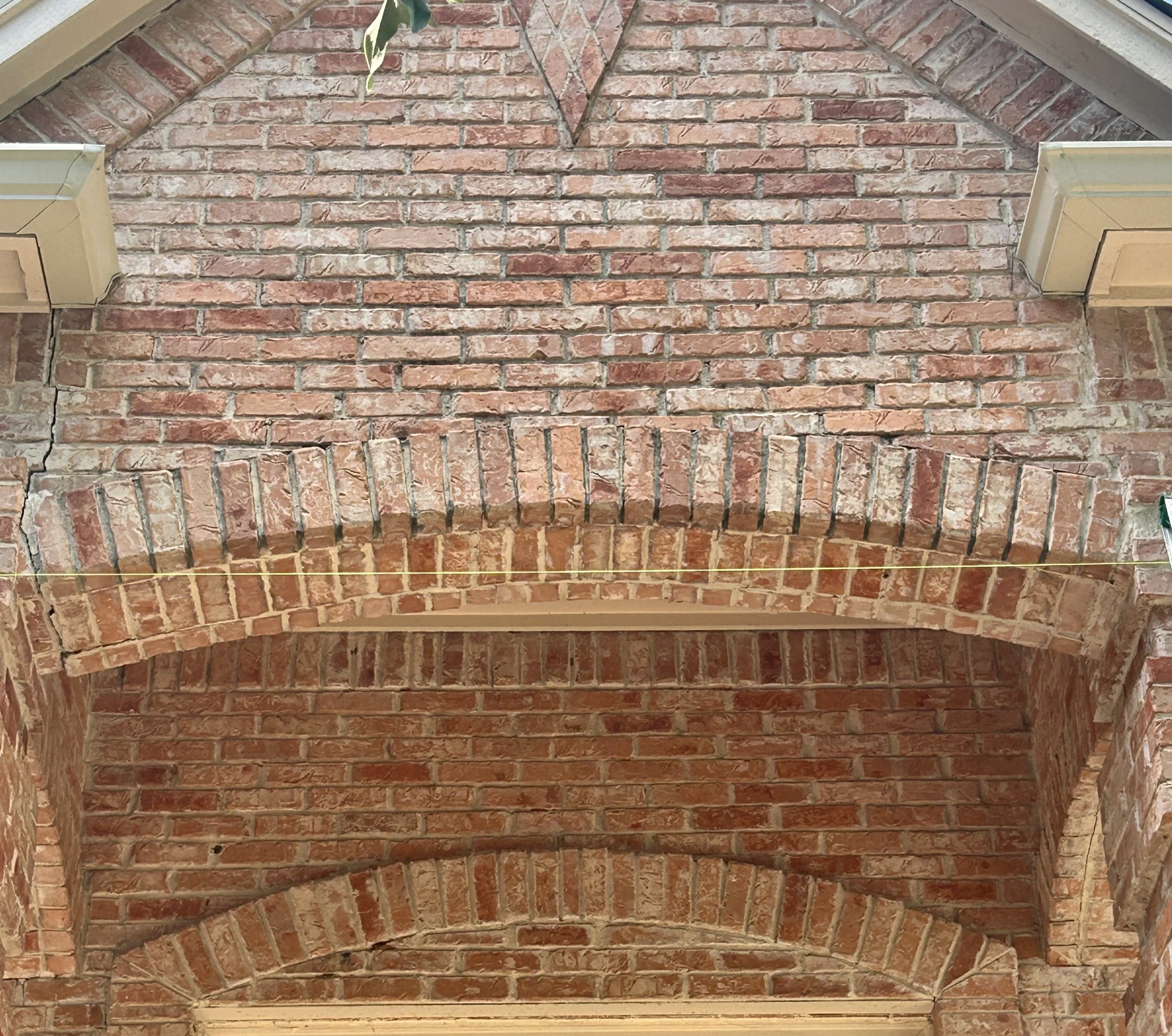
That is when homeowners may begin seeing cracks through the mortar joints, separation at the ends of the arch, dropped brick, sagging, or a noticeable change in the shape of the opening.
An archway can look like a masonry problem on the surface while the real issue is the support and load transfer behind it.
COMMON WARNING SIGNS
Signs a Brick Archway Is Beginning to Fail
Archway problems usually become visible before the masonry reaches the point of major failure. The shape of the cracking, where the movement begins, and whether the brick is starting to separate or drop can reveal a lot about what is happening behind the surface.
Cracking at the Ends of the Arch
Cracks near the points where the arch meets the surrounding wall can indicate that the opening is spreading or that the masonry is no longer transferring its load correctly into the wall beside it.
Stair-Step Cracking Above or Beside the Opening
Stair-step cracks extending away from an arch can be a sign that movement at the opening is transferring stress into the surrounding brickwork.
Sagging or a Change in the Shape of the Arch
If the center of the arch begins to drop, flatten, or lose its original curve, the masonry may no longer be supporting itself the way it was intended.
Separation Between the Arch and Surrounding Brick
Open joints or visible gaps around the arch can indicate that different parts of the masonry are beginning to move independently from one another.
Loose, Dropped, or Rotated Brick
Brick that has shifted out of alignment, dropped lower than the surrounding masonry, or begun rotating within the arch is a stronger indication that the opening has lost stability.
Cracks That Return After Previous Repairs
If an archway has already been repointed and the same cracks return, movement is likely still occurring. Repairing the mortar again will not correct an unresolved support problem.
WHY ARCHWAYS MOVE
What Causes a Brick Archway to Crack or Sag?
Visible cracking is usually the result of movement somewhere in the archway system. The important part of diagnosing the repair is determining what allowed that movement to begin. Several different conditions can produce similar-looking cracks, which is why repairing the mortar alone does not always solve the problem.
Loss of Support at the Sides of the Arch
An arch pushes its load outward toward the masonry on each side of the opening. If that surrounding brickwork moves, spreads, or no longer provides adequate resistance, the arch can begin to flatten, separate, or drop.
Failing or Inadequate Steel Support
Where steel is used to support or reinforce the opening, corrosion, deflection, insufficient bearing, or inadequate attachment can allow movement to develop in the masonry above or around the arch.
Movement in the Surrounding Wall
Settlement, structural movement, or changes around the opening can place additional stress into the arch. Even a properly built arch can crack when the masonry supporting it begins moving independently.
Improper Original Construction or Previous Repairs
Poor arch geometry, inadequate support, weak bearing conditions, or a previous repair that only addressed the visible cracking can leave the opening vulnerable to continued movement.
Repairing the Visible Crack
Repointing removes deteriorated mortar and replaces it with new mortar. When the arch itself is stable and the joints are simply weathered or damaged, that may be all the repair requires.
But if the arch is continuing to move, spread, sag, or lose support, new mortar does not stop that movement.
- Restores deteriorated mortar joints
- Can improve appearance when the masonry is stable
- Does not restore lost structural support
- Cracking may return if movement continues
Correcting Why the Arch Is Moving
A structural archway repair starts by determining why the opening has lost stability. The repair may require supporting the masonry, correcting failed steel or bearing conditions, rebuilding portions of the arch, or restoring the geometry of the opening.
Once the support problem is corrected, the masonry can be rebuilt and the visible cracking repaired as part of the larger repair.
- Addresses the cause of the movement
- Restores proper support around the opening
- Corrects failed or inadequate structural components
- Rebuilds the arch only after stability is restored
COSMETIC REPAIR OR STRUCTURAL REPAIR?
Why Repointing a Cracked Archway May Not Be Enough
Repointing can be the correct repair when the problem is limited to deteriorated mortar. But when an archway is cracking because the masonry is spreading, sagging, losing support, or moving around the opening, replacing the mortar alone does not correct the cause of that movement.
HOW A PROPER ARCHWAY REPAIR IS DONE
What Proper Brick Archway Reconstruction Involves
The exact repair depends on why the archway failed, but the sequence matters. The masonry must be stabilized, the underlying support problem corrected, and the shape of the opening restored before the finished brickwork is rebuilt. Simply removing the cracked mortar and rebuilding the same unstable condition can allow the problem to return.
Stabilize and Support the Masonry
Before unstable brick or failed support is removed, the masonry above and around the opening is safely supported so the load remains controlled throughout the repair.
Remove the Failed Arch and Expose the Cause
Loose, displaced, or improperly supported masonry is carefully removed so the condition behind the arch can be evaluated. This allows the actual support, bearing, and surrounding masonry conditions to be corrected instead of simply covering the visible cracking.
Restore Proper Structural Support
Failed or inadequate support is corrected before the arch is rebuilt. Depending on the opening, this may include properly sized steel, adequate bearing, reinforcement, or attachment to the supporting structure where the design requires it.
Rebuild the Archway
With the opening stabilized, the arch is rebuilt with the proper shape, alignment, joint spacing, and connection to the surrounding masonry so the completed repair performs correctly and blends back into the home.
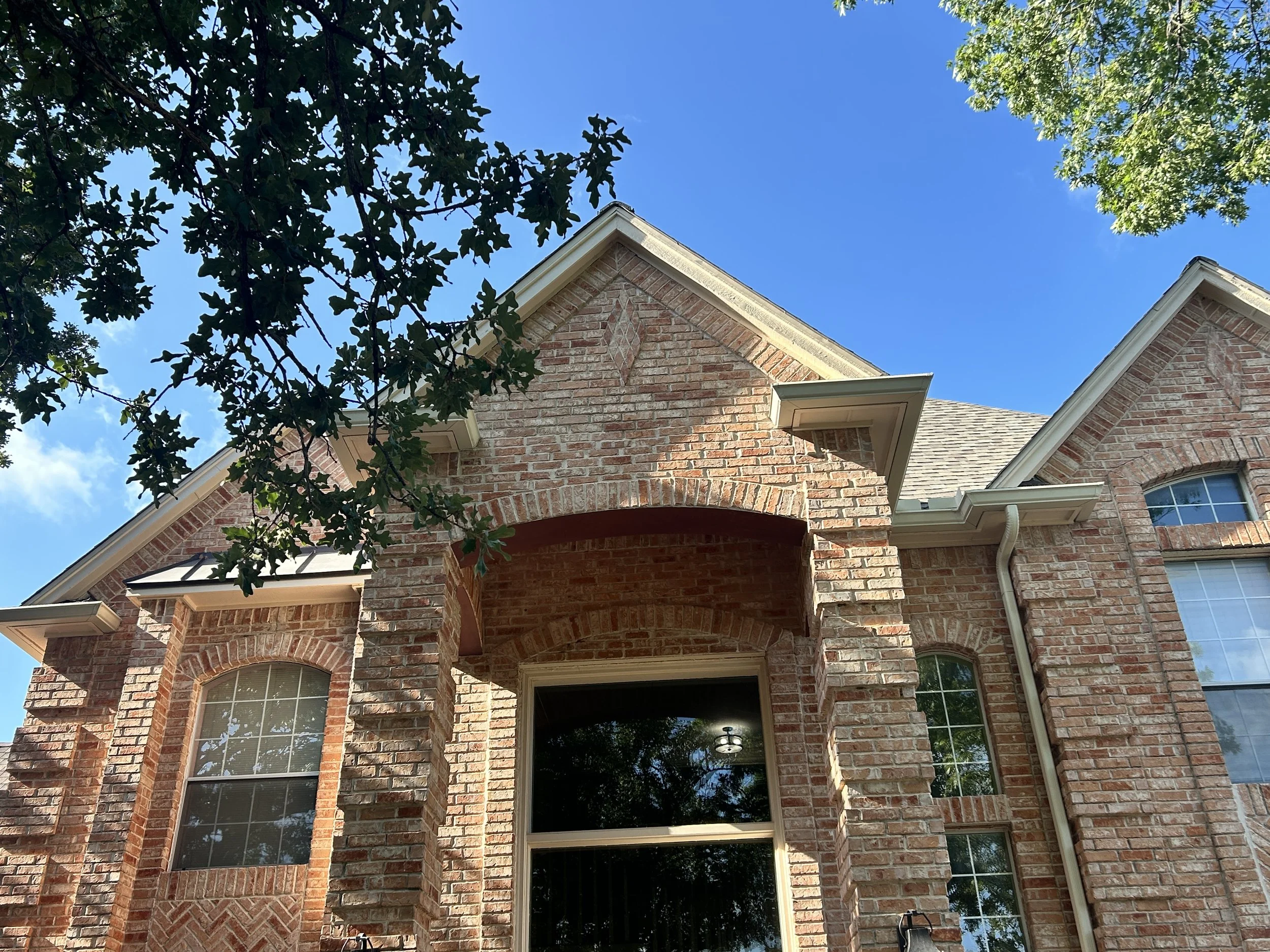
- Cracks that continue to grow or reopen
- A noticeable sag or change in the arch shape
- Separation at the ends of the arch
- Loose, dropped, or rotated brick
- Movement spreading into the surrounding wall
- Previous repairs that continue to crack again
Find Out Why the Archway Is Moving Before Rebuilding It
Brick Fix Solutions evaluates the archway, surrounding masonry, steel support, and bearing conditions to determine what is causing the movement and what repair is appropriate.
SCHEDULE AN INSPECTION Professional evaluation. Clear repair recommendations.WHEN TO HAVE IT INSPECTED
When Should a Cracked or Sagging Archway Be Evaluated?
Not every cracked mortar joint means an archway is structurally failing. But when cracking continues to grow, returns after previous repairs, or is accompanied by sagging, separation, displaced brick, or a noticeable change in the shape of the opening, the underlying support should be evaluated.
Identifying the cause early can help prevent additional movement and may reduce the amount of masonry that eventually has to be removed or rebuilt.