
BRICK REPAIR GUIDE
Why Is the Brick Above My Window Cracking?
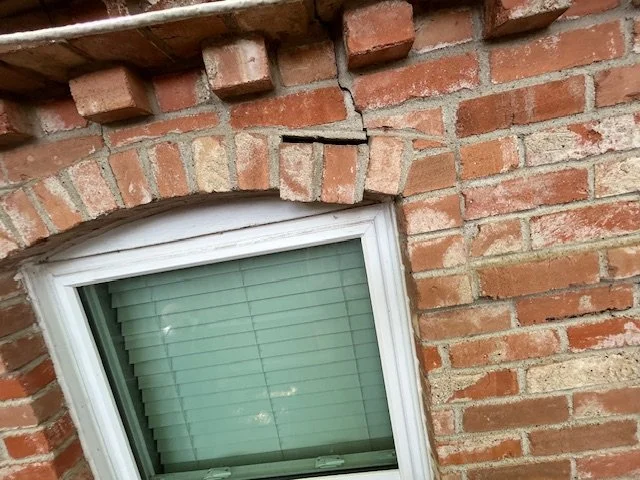
Cracking above a window is often more than a cosmetic issue. The steel lintel supporting the brick can corrode, deflect, lose bearing, or otherwise stop supporting the masonry correctly. This guide explains the most common causes, what warning signs matter, and when the repair may require more than filling the crack.
WHY IT HAPPENS
Steel Lintel Corrosion
Steel lintels can corrode as moisture reaches the metal over time. Rust expands as it develops, which can force the surrounding masonry apart and create horizontal cracking, separation, or displacement directly above the window.
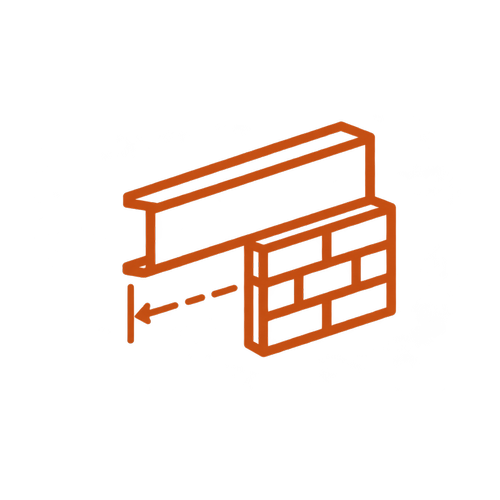
Undersized or Poorly Supported Lintels
If the lintel is too small for the load, does not have enough bearing at each end, or was installed incorrectly, the brick above the opening can begin to deflect or settle. That movement often creates cracking at the corners of the window or along the masonry above it.
HOW STEEL LINTELS ARE SIZED →
Foundation or Structural Movement
Movement in the foundation or supporting structure can transfer stress into the brick veneer. Window and door openings are natural weak points because the masonry is interrupted there, so stair-step cracks, diagonal cracking, or separation around the opening can be some of the first visible signs.

Thermal Movement and Missing Expansion Joints
Brick expands and contracts with temperature and moisture changes. When the wall does not have enough room to move, stress can build around openings and other rigid points. Missing, poorly placed, or failed expansion joints can contribute to recurring cracks even after cosmetic repairs have been made.
The crack itself does not always tell the whole story. Two windows can show similar cracking while requiring completely different repairs.
The repair should be based on the cause of the movement—not just the visible damage.What Causes Brick to Crack Above a Window?
WHAT THE CRACK CAN TELL YOU
Not All Cracks Mean the Same Thing
The location, direction, and shape of the crack can help narrow down what is happening. A horizontal crack above the window may point toward lintel corrosion or deflection, while diagonal or stair-step cracking can indicate movement in the surrounding masonry or structure.

Horizontal Cracking Above the Opening
Horizontal cracking can be associated with steel lintel corrosion, deflection, or loss of support directly above the window. When the steel begins to expand, move, or stop carrying the masonry correctly, the brick above the opening can begin to separate.
Diagonal or Stair-Step Cracking
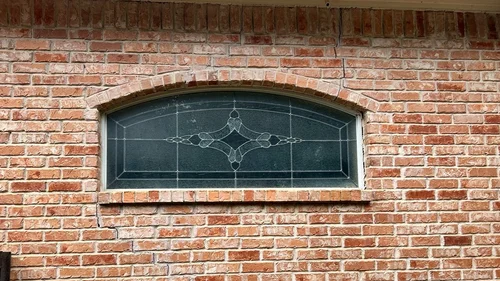
Diagonal and stair-step cracks can develop when movement transfers through the brick veneer. Window and door openings are common places for that stress to become visible because the masonry is interrupted around the opening.

Separation, Sagging, or Displaced Brick
Visible separation, sagging, or displaced brick can indicate that the masonry is no longer being supported correctly. At that point, simply filling the crack with mortar may do nothing to correct the actual support problem.
WHAT YOU SHOULD DO
Repair the Cause, Not Just the Crack
Filling the crack without fixing the underlying problem is why so many masonry repairs fail or return. A proper repair starts with identifying the cause, then correcting the support, movement, or masonry failure so the wall can perform the way it was intended to.

1. Inspect
We inspect the crack, the lintel, the supports, and the surrounding masonry.

2. Diagnose
We identify the root cause of the problem, not just the visible damage.

3. Stabilize
We address failing support, masonry movement, or other structural conditions before rebuilding.

4. Rebuild
We rebuild or reinforce the masonry using the repair method required for the condition.

5. Protect
We finish the repair correctly and address details that help reduce future masonry problems.