Brick Expansion Joint Repair & Installation in DFW
True full-depth expansion joints cut through the brick veneer so the wall can actually move. Brick Fix Solutions installs clean, flexible movement joints using backer rod where needed and high-grade polyurethane sealant to help reduce repeat cracking around windows, corners, garages, and long brick walls.
Brick Walls Need Room to Move
Brick may look solid and permanent, but brick veneer still expands, contracts, and shifts over time. Heat, moisture, framing movement, foundation movement, and normal seasonal changes can all create pressure in the wall.
When the brick does not have a proper place to move, that pressure usually shows up as cracking.
Common signs include:
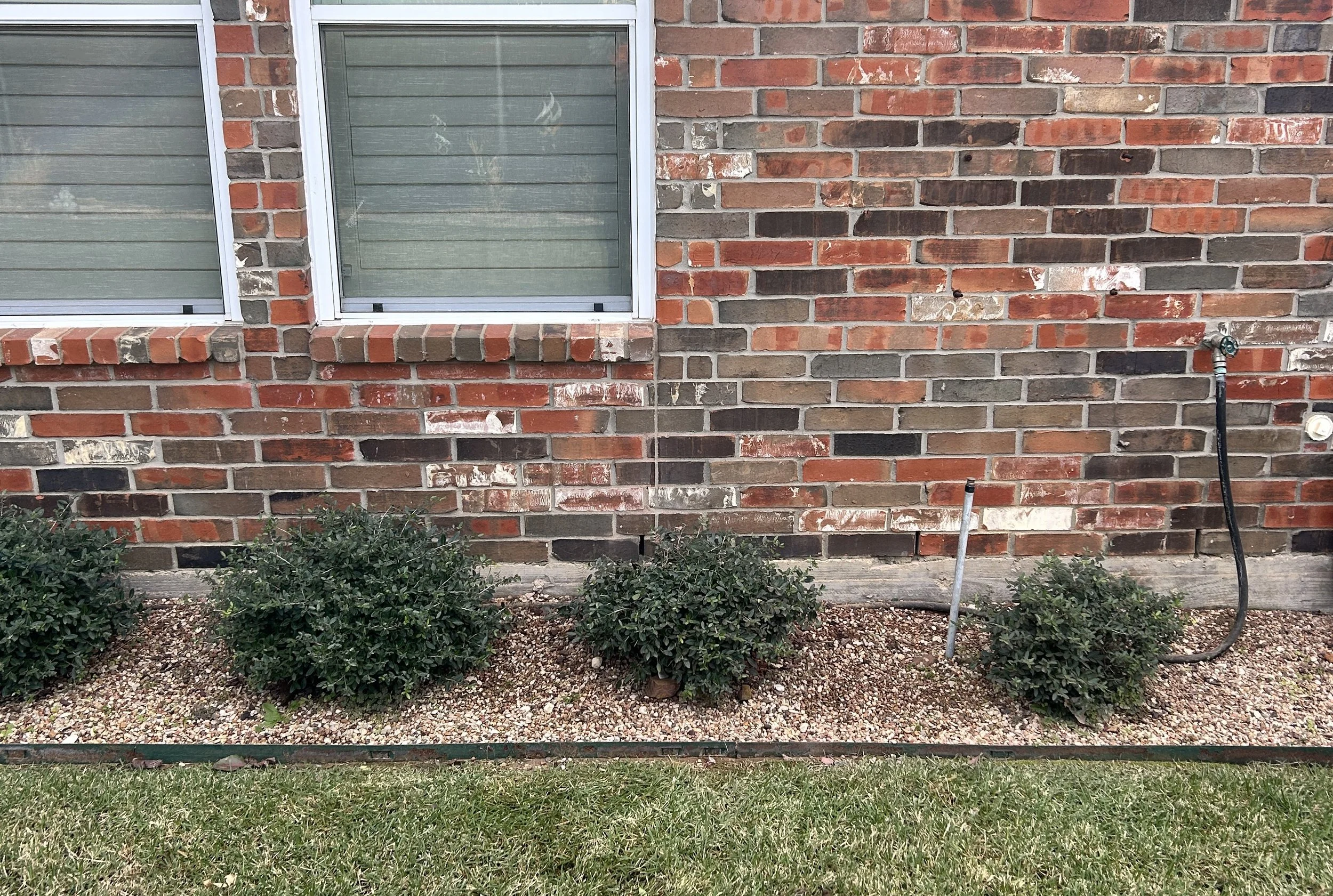
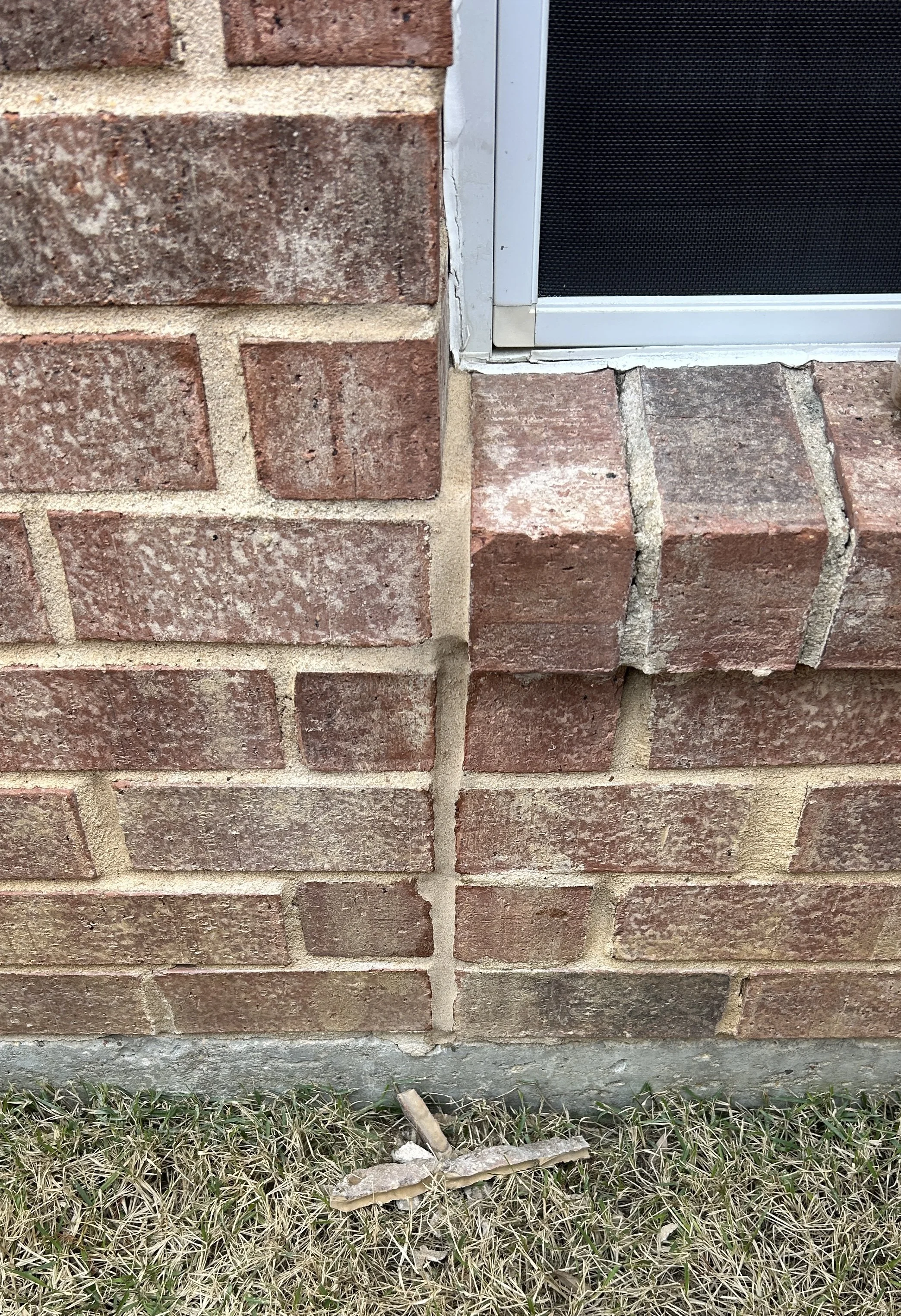
Vertical cracks near windows or doors
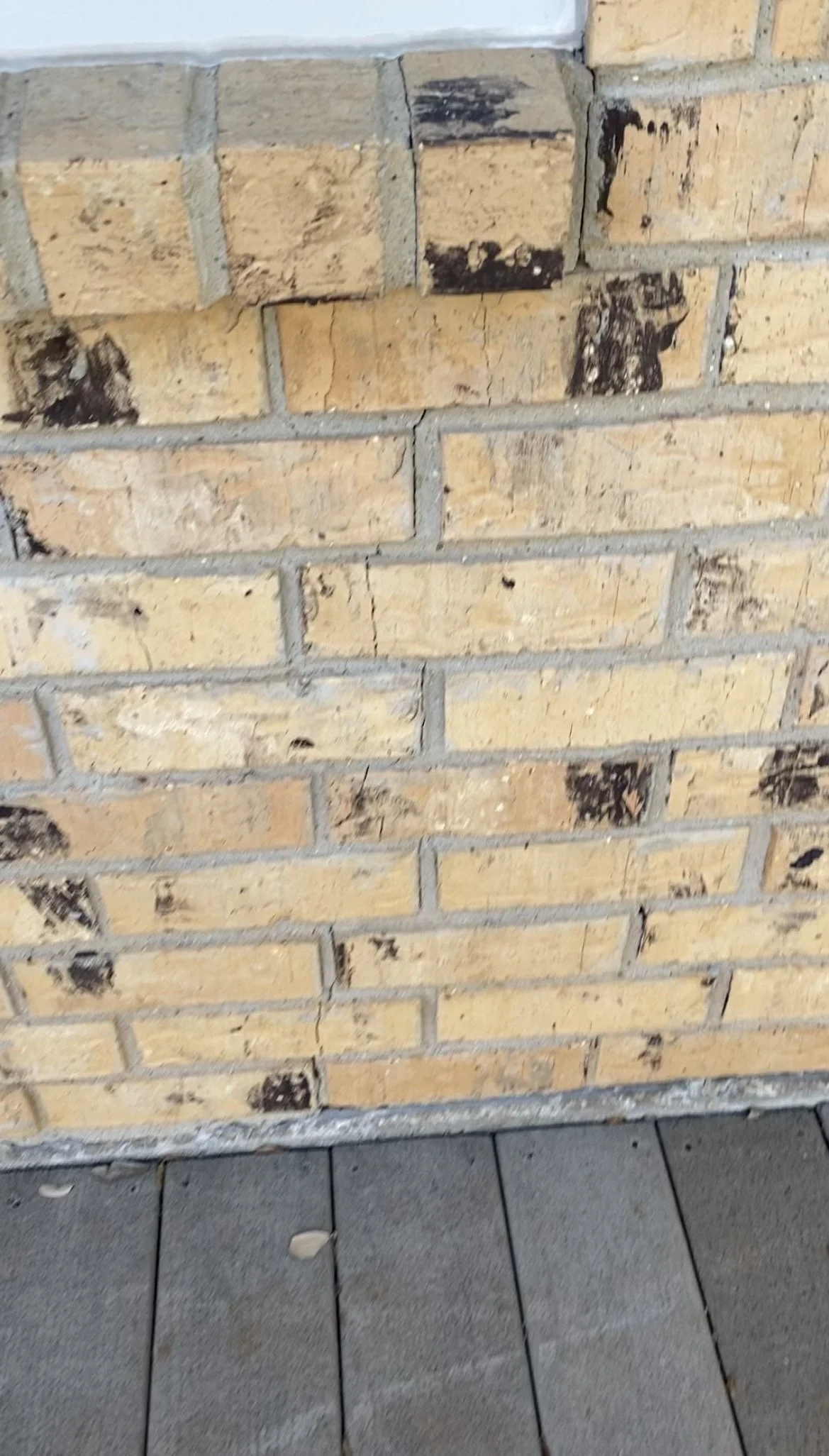
Stair-step cracks in the brickwork
Cracked mortar joints at corners
Broken brick near openings
Cracks that keep coming back after repair
Brick pulling away from trim, stone, or other materials
Long brick walls with no visible movement joint
A proper expansion joint gives the brick a controlled place to move instead of letting the wall crack randomly.
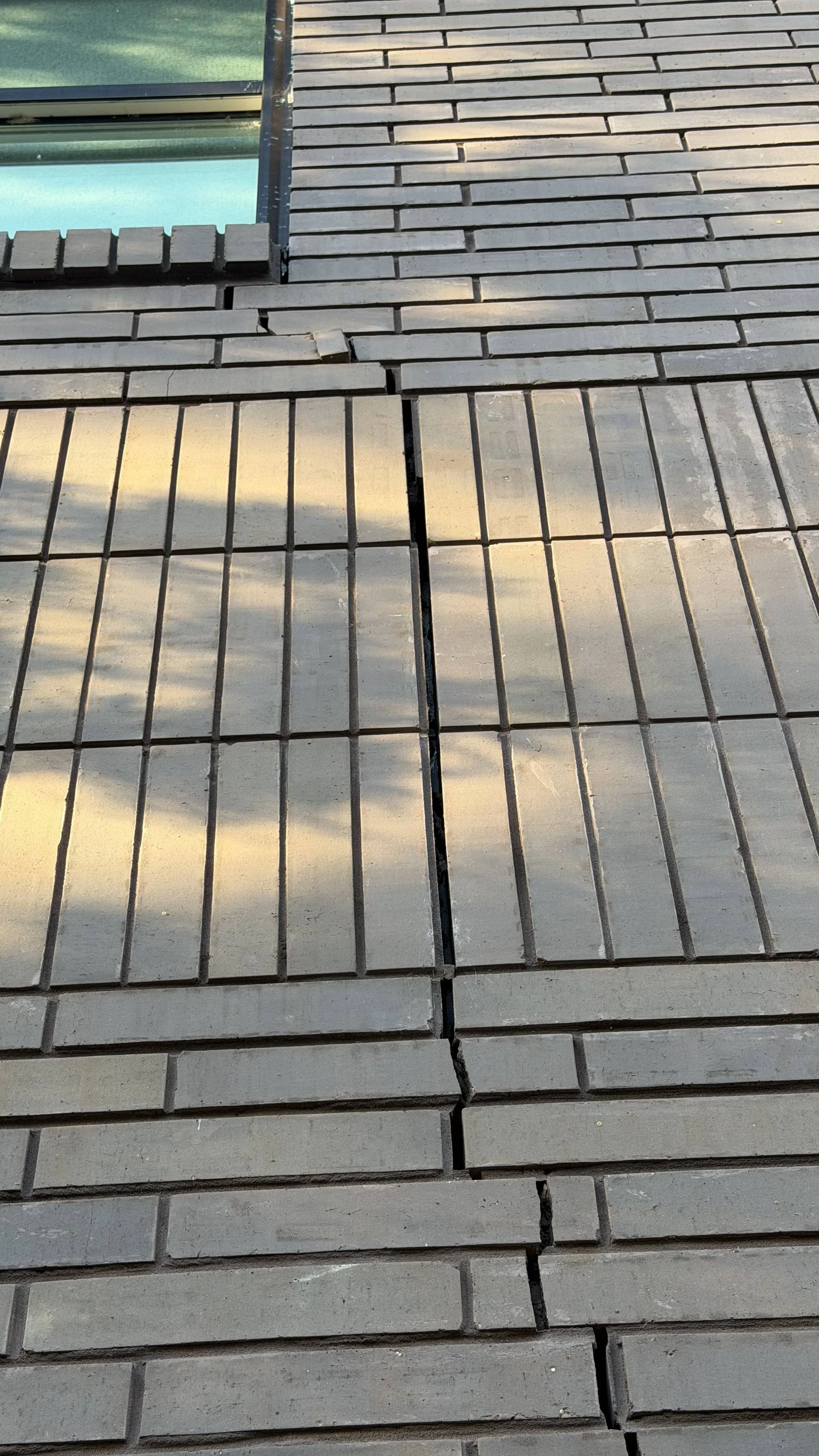
True Full-Depth Expansion Joints
Not every crack should just be filled with mortar. If the wall needs movement relief, packing the crack with mortar can make the wall too tight again and allow the same pressure to return.
At Brick Fix Solutions, we install true full-depth expansion joints. That means the joint is cut through the brick veneer so the wall can actually move.
The joint is opened cleanly, cleared out, backed with proper material where needed, and sealed with a high-grade polyurethane sealant designed to stay flexible.
This is not just a cosmetic repair. It is a working movement joint.
Many Expansion Joints Are Not Actually Working
Many brick walls in the Dallas–Fort Worth area appear to have expansion joints, but the joints are often filled solid with mortar behind the surface sealant. When that happens, the joint is not truly allowing the brick to move.
A real expansion joint should create separation in the brick veneer so the wall has room to expand and contract. If the joint is packed with mortar, it can still hold the wall together tightly and transfer pressure through the brickwork.
That pressure may eventually show up as vertical cracking, stair-step cracking, broken brick, failed mortar repairs, or cracks that keep coming back in the same area.
At Brick Fix Solutions, we install true full-depth expansion joints. That means the joint is cut and cleared through the brick veneer so it can actually function as a movement joint. Once the joint is open, we install backer rod where needed and seal it with high-grade polyurethane sealant designed to stay flexible.
What Happens When the Wall Cannot Move
When an expansion joint is filled with mortar, the brick wall can stay locked together instead of moving freely. That pressure still has to go somewhere.
Over time, the stress may push into weaker areas of the wall and cause new cracking around windows, garage openings, corners, brick returns, or long wall sections.
This is why some cracks keep coming back even after they have been repaired. The crack may not be the real problem. The real problem may be that the brick still has no working movement joint.
A proper expansion joint gives the wall a controlled place to move. Instead of the brick breaking randomly, the movement is directed into a flexible joint designed to expand and contract with the wall.
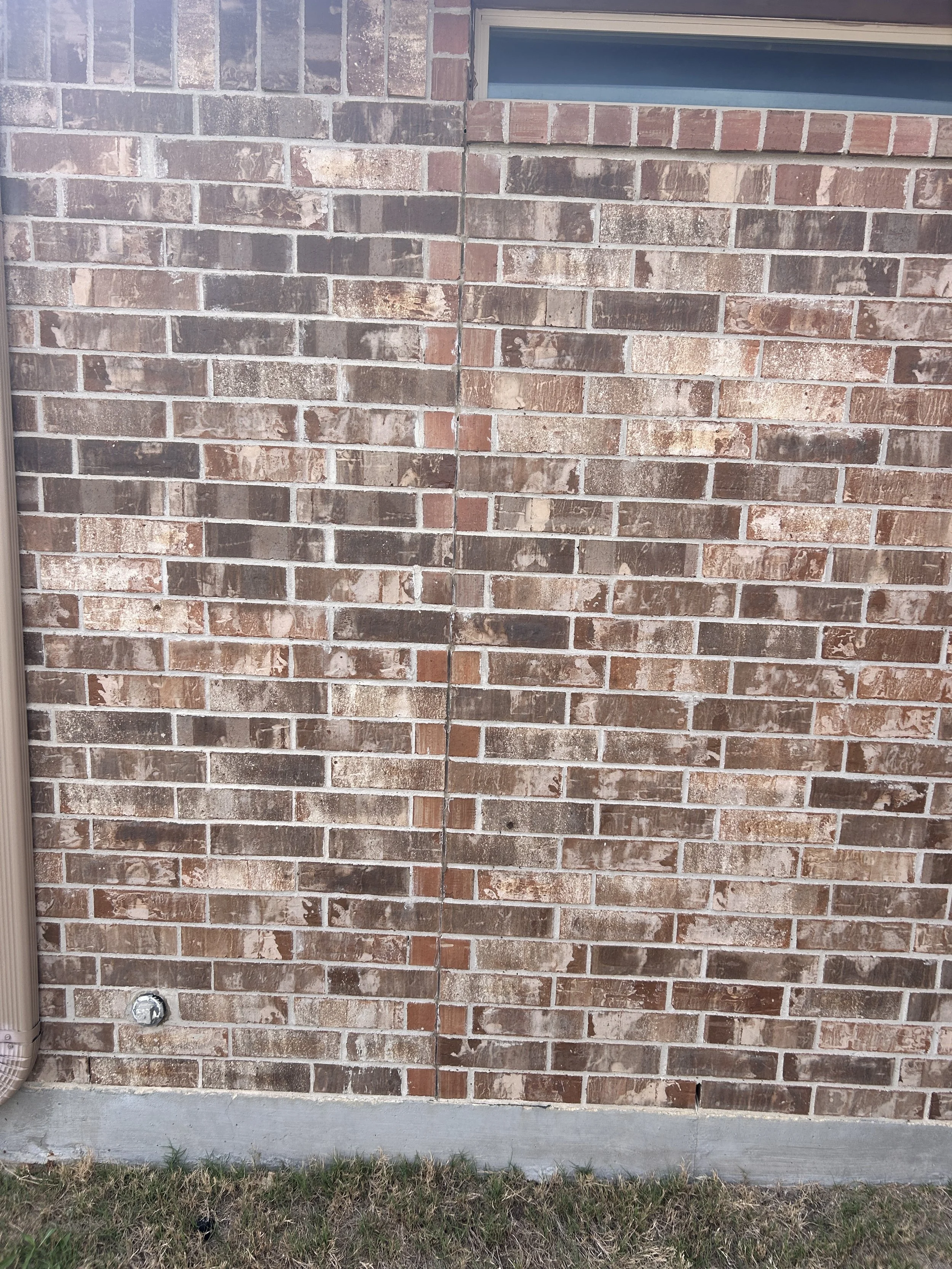
Why Mortar Alone Is Not Always the Right Repair
Mortar is strong, but it is not flexible. If a movement crack is packed with mortar, the wall may look repaired for a while, but the same pressure can return.
For cracks caused by brick movement, the better repair is often a true expansion joint sealed with flexible polyurethane. This allows the wall to move without forcing the brick or mortar to absorb all the stress.
Brick Fix Solutions looks at the crack pattern, wall layout, and surrounding stress points before deciding whether the area needs mortar repair, polyurethane crack repair, or a true full-depth expansion joint.
How We Install a True Brick Expansion Joint
A real expansion joint has to be able to move. If the joint is only cut on the surface, or if it is still packed with mortar behind the sealant, the brick can stay locked together and the pressure is not actually relieved.
At Brick Fix Solutions, we cut the joint through the brick veneer so it can function as a true movement joint. The opening is cleared out, not just covered over, so the wall has a proper break where movement can happen.
Once the joint is opened, we install backer rod where needed. This helps control the depth of the sealant and keeps the polyurethane working the way it should.
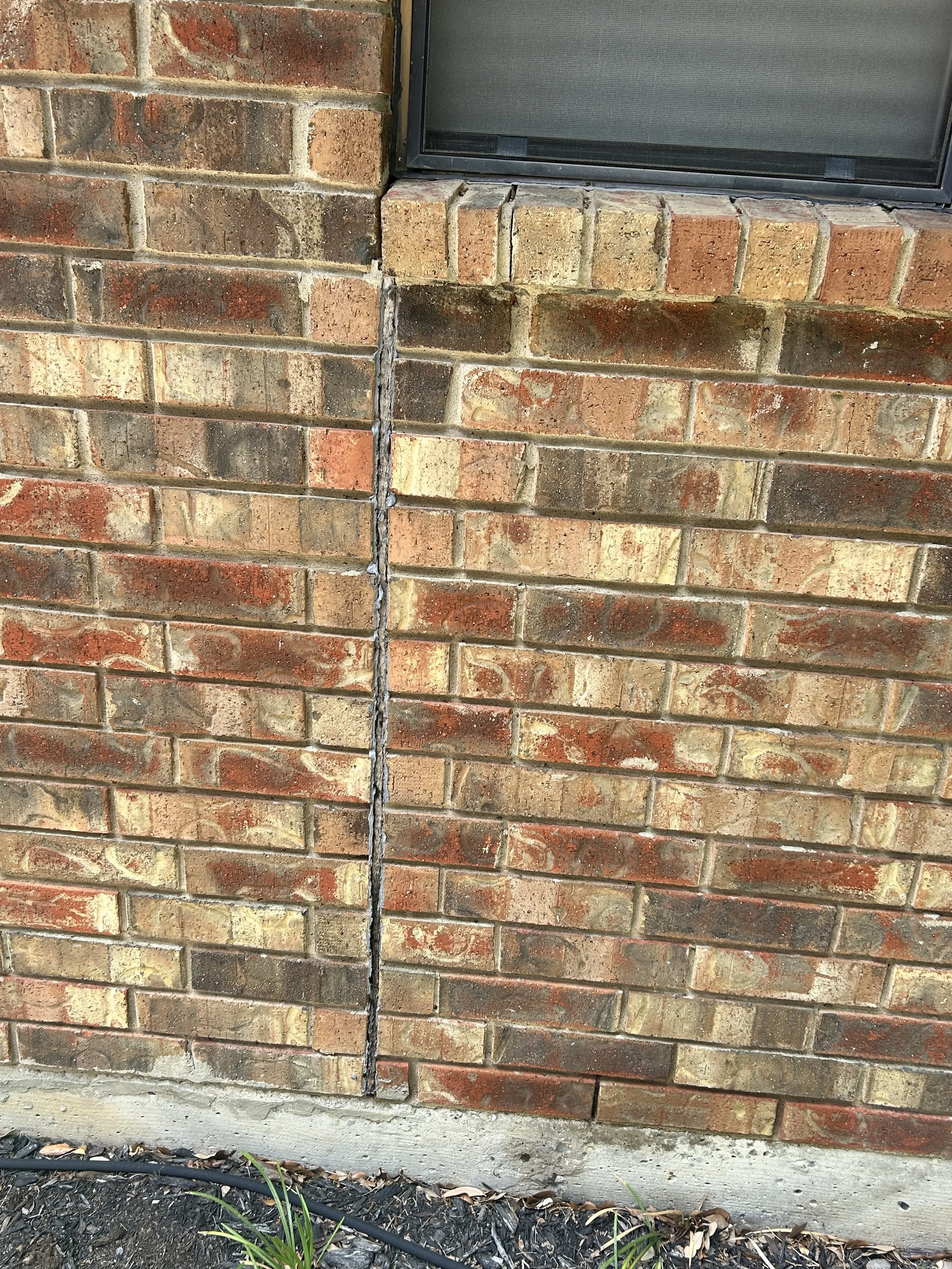
The joint is then sealed with a high-grade polyurethane sealant that stays flexible as the brick expands and contracts. After that, we sprinkle the surface with sand to help the joint blend with the surrounding mortar.
The finished joint gives the brick veneer the movement space it was missing. Instead of locking the wall back together with hard mortar, the joint stays flexible and allows the brick to expand and contract where the pressure was building.
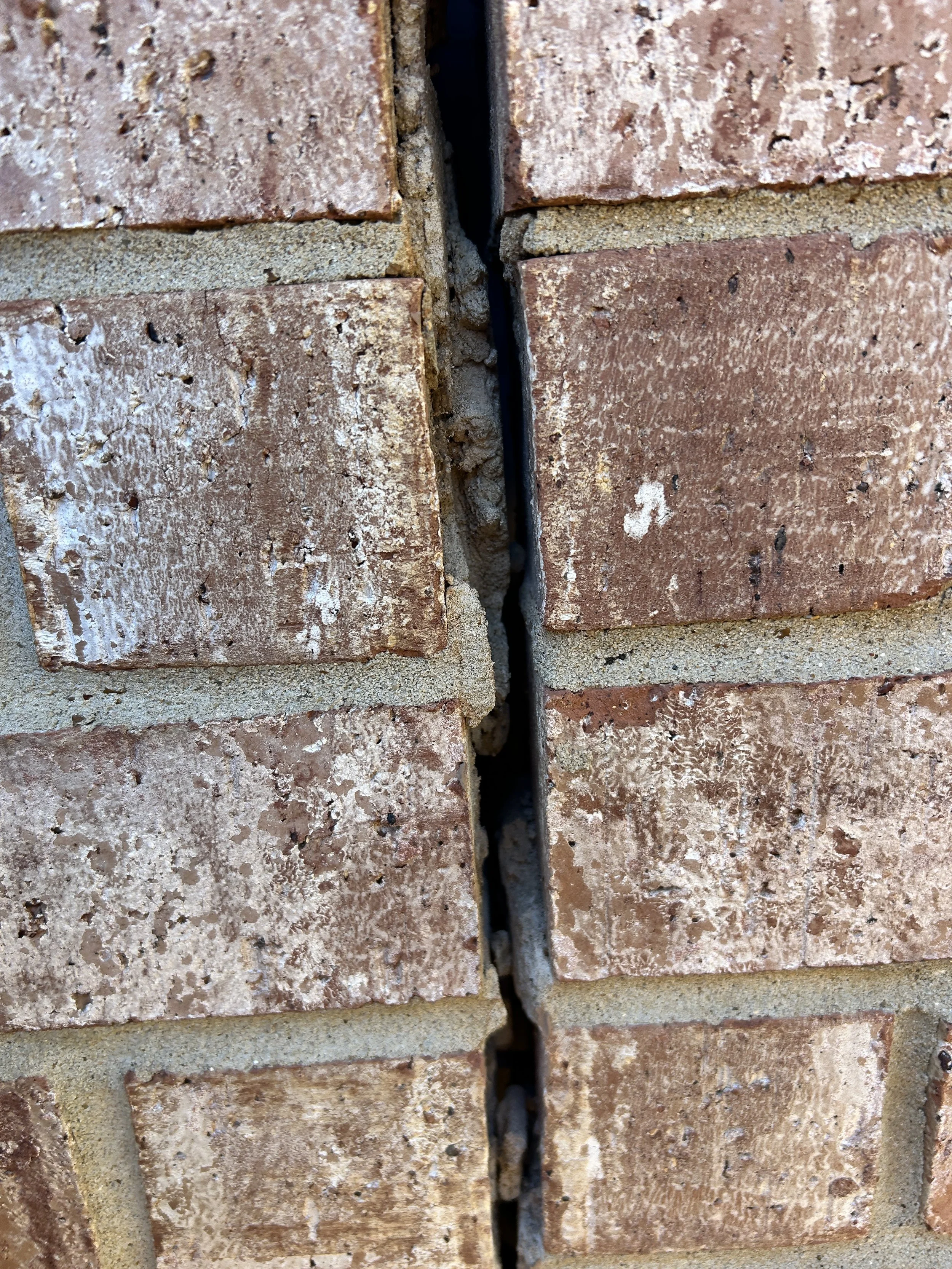
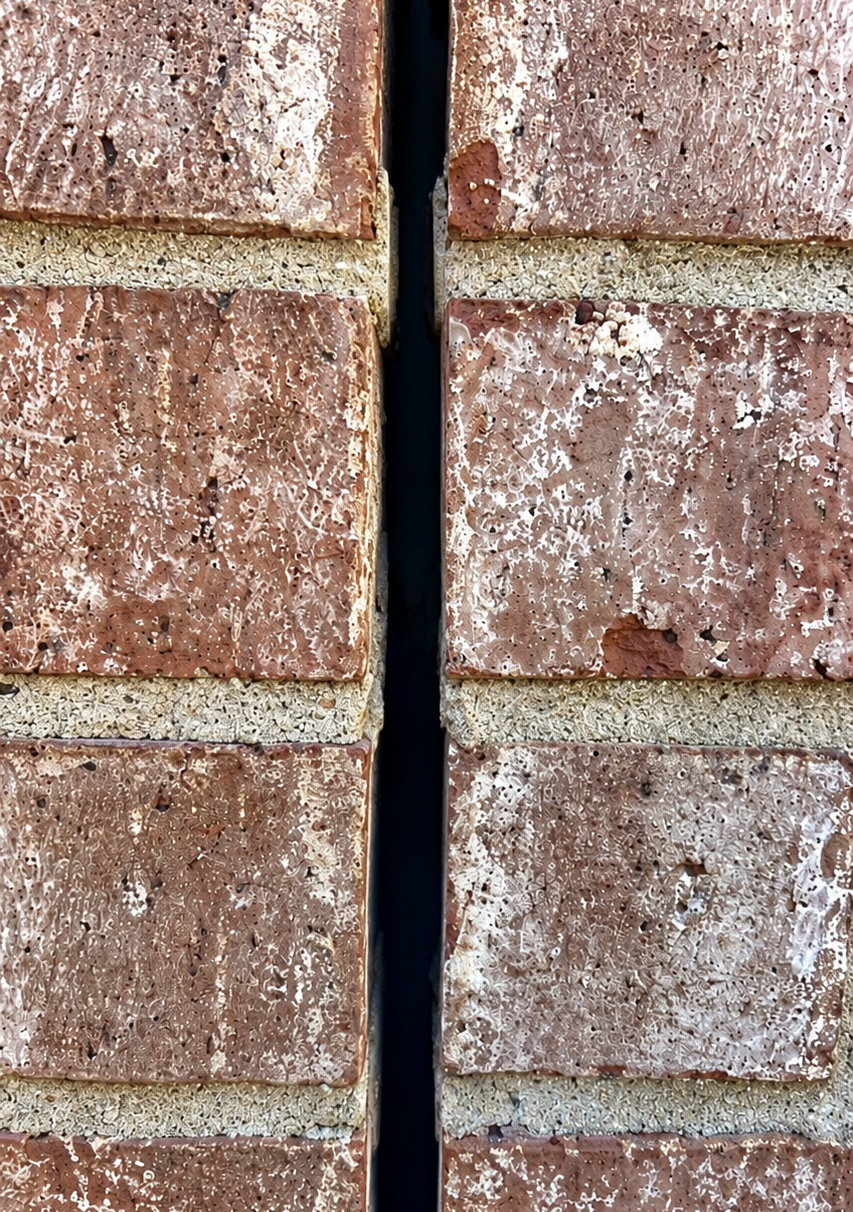
Where Brick Expansion Joints Are Usually Needed
Brick expansion joints are usually needed in wall sections where the brick veneer does not have a working place to release movement. Around windows is one of the most common areas where this problem shows up because the brick is broken up by the opening and pressure often finds that weaker point.
When the wall expands and contracts without a true movement joint, vertical cracks can open near the sides of windows or continue through the mortar joints above and below the opening. In many cases, the problem is not just the crack itself — it is that the brick wall has no proper place to move.
A true expansion joint gives the brick veneer a controlled place to release movement. The joint must be placed in the correct vertical location, cut through the brick veneer, cleared out properly, and sealed with a flexible polyurethane sealant.
Brick Fix Solutions installs full-depth brick expansion joints designed to function as real movement joints, not shallow surface cuts or mortar-filled joints that keep the wall locked together.
Why Mortar-Filled Expansion Joints Fail
An expansion joint is supposed to be flexible. Its job is to give the brick veneer a place to expand and contract without forcing that movement into the brick or mortar joints.
The problem is that many expansion joints are filled solid with mortar behind the surface. They may look like expansion joints from the outside, but the brick is still locked together behind the sealant.
When that happens, the joint cannot do its job. The wall still has no real movement space, and the pressure can continue building until it opens a crack somewhere else in the brickwork.
This is why some homes have repeated vertical cracks near windows or straight wall sections even though there appears to be an expansion joint nearby. If the joint is packed with mortar, it is not truly relieving movement.
Brick Fix Solutions cuts and clears the joint through the brick veneer so it can function as a true movement joint. Once the joint is open, we install backer rod where needed and seal it with flexible polyurethane instead of packing the wall tight with hard mortar.
Why We Use Flexible Polyurethane
A brick expansion joint cannot do its job if it is filled with hard mortar or cheap caulk. The joint needs to stay flexible so the brick veneer can expand and contract without forcing pressure back into the wall.
That is why Brick Fix Solutions uses high-grade polyurethane sealant for true expansion joints. Polyurethane is made for movement. When installed correctly, it stays flexible instead of drying out, getting hard, turning brittle, and cracking apart after a short amount of time.
This matters because brick walls move with heat, cold, moisture, and seasonal changes. If the sealant hardens, the joint stops working the way it should. A flexible polyurethane joint keeps the movement area open and allows the wall to continue expanding and contracting without being locked back together.
Before the sealant is installed, the joint is opened and cleaned so the polyurethane has the right space to work. Backer rod is installed where needed to control the depth of the sealant and help the joint move properly.
After the polyurethane is applied, we sprinkle the surface with sand to help the joint blend with the surrounding mortar. The finished joint is flexible, functional, and cleaner-looking than a hard mortar patch or basic caulk repair.
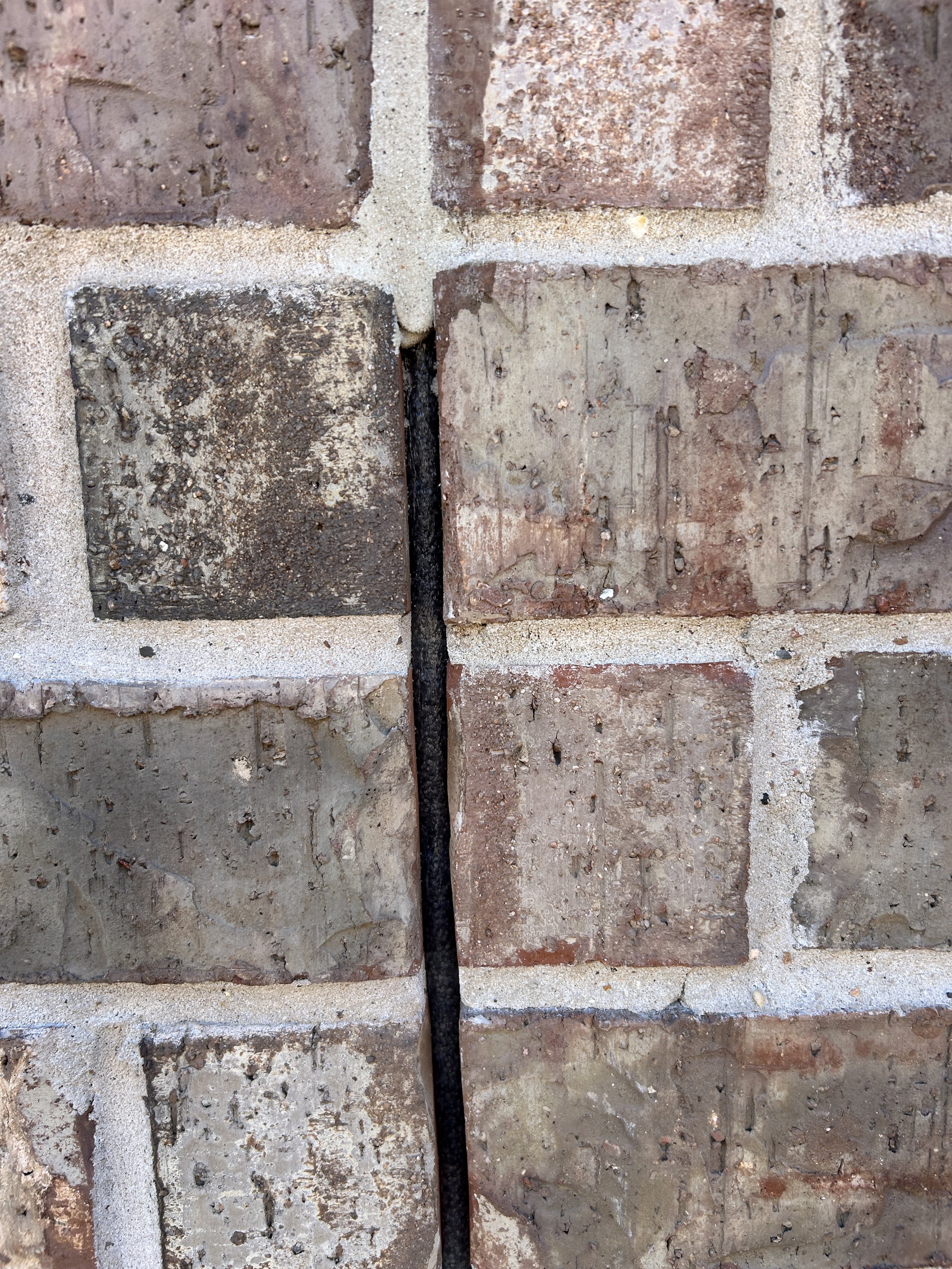
A Cleaner Finish That Blends With the Brickwork
A true expansion joint has to function first, but it still needs to look clean. A messy cut, uneven sealant, or shiny caulk line can stand out badly on the front of a home.
Brick Fix Solutions takes the time to cut the joint straight, clean out the opening, control the sealant depth, and finish the surface so the repair looks professional.
After the polyurethane is installed, we sprinkle the joint with sand to help soften the appearance and blend it with the surrounding mortar. The goal is not to make the joint disappear completely. The goal is to create a working movement joint that looks clean, intentional, and properly finished.
A properly installed expansion joint should look like it belongs in the wall — not like a rushed patch over a crack.